Focus Time

Focus time is a specific block of time that is set aside for focused, uninterrupted work on a specific task or project. This can help you be more productive and efficient, as it allows you to fully concentrate on the task at hand without being distracted by other tasks or interruptions.

It is often used as part of a time management technique called “time blocking” or “calendar blocking” which involves dividing your day into blocks of time for specific tasks or activities. For example, you might block off two hours every morning for focused work on a major project, and then block off an hour in the afternoon for responding to emails and handling other administrative tasks.

If you are interested in calendar blocking check out my other post specifically on this topic here

Focus time can be helpful for anyone who needs to focus on a specific task or project, such as writers, artists, or professionals who need to work on complex projects. By setting aside dedicated focus time, you can be more productive and get more done in less time.

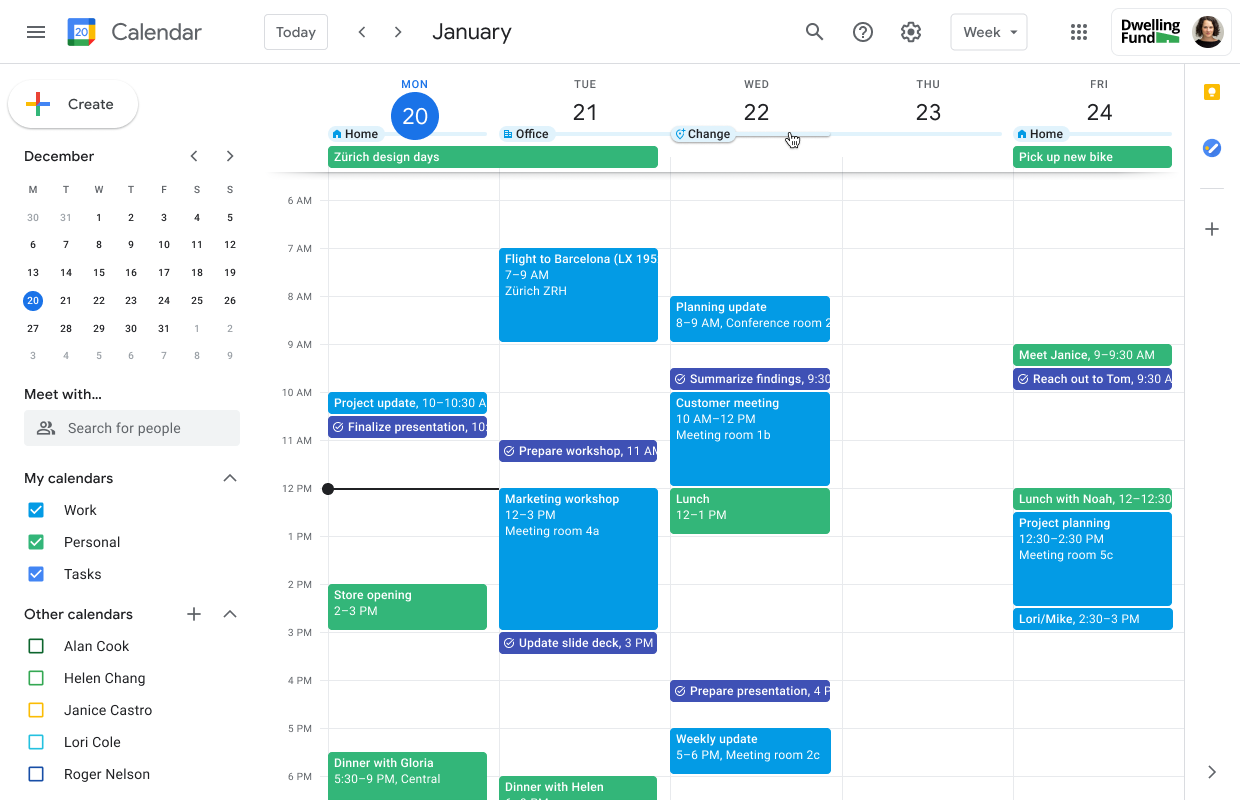
Calendar Blocking

Calendar blocking is a time management technique that involves setting aside specific blocks of time on your calendar for specific tasks or activities. This can help you stay organized and focused, and can prevent you from overbooking yourself or feeling overwhelmed.

To effectively use calendar blocking, follow these steps:

  1. Identify your priorities and goals: Before you start blocking time on your calendar, take some time to think about your priorities and goals. What tasks or activities are most important to you, and what do you need to do to achieve your goals?
  2. Create blocks of time: Once you know what tasks and activities are most important to you, start creating blocks of time on your calendar for each of them. For example, you might block off two hours every weekday morning for exercise, or one hour every afternoon for writing.
  3. Be specific: When blocking time on your calendar, be as specific as possible. Instead of just blocking off “work time,” for example, specify which projects or tasks you will be working on during that time.
  4. Stick to your blocks: Once you have blocked off time on your calendar, try to stick to those blocks as much as possible. This will help you stay organized and focused, and will prevent you from wasting time on unimportant tasks or activities.
  5. Adjust as needed: Your schedule may change over time, so it’s important to be flexible and adjust your calendar blocks as needed. If you find that a certain block of time is no longer working for you, don’t be afraid to move it or delete it altogether.

Overall, effective use of calendar blocking can help you stay organized, focused, and productive. By blocking off specific blocks of time for your most important tasks and activities, you can make the most of your time and achieve your goals.